Why 2026 is the year of autonomous AI agents.
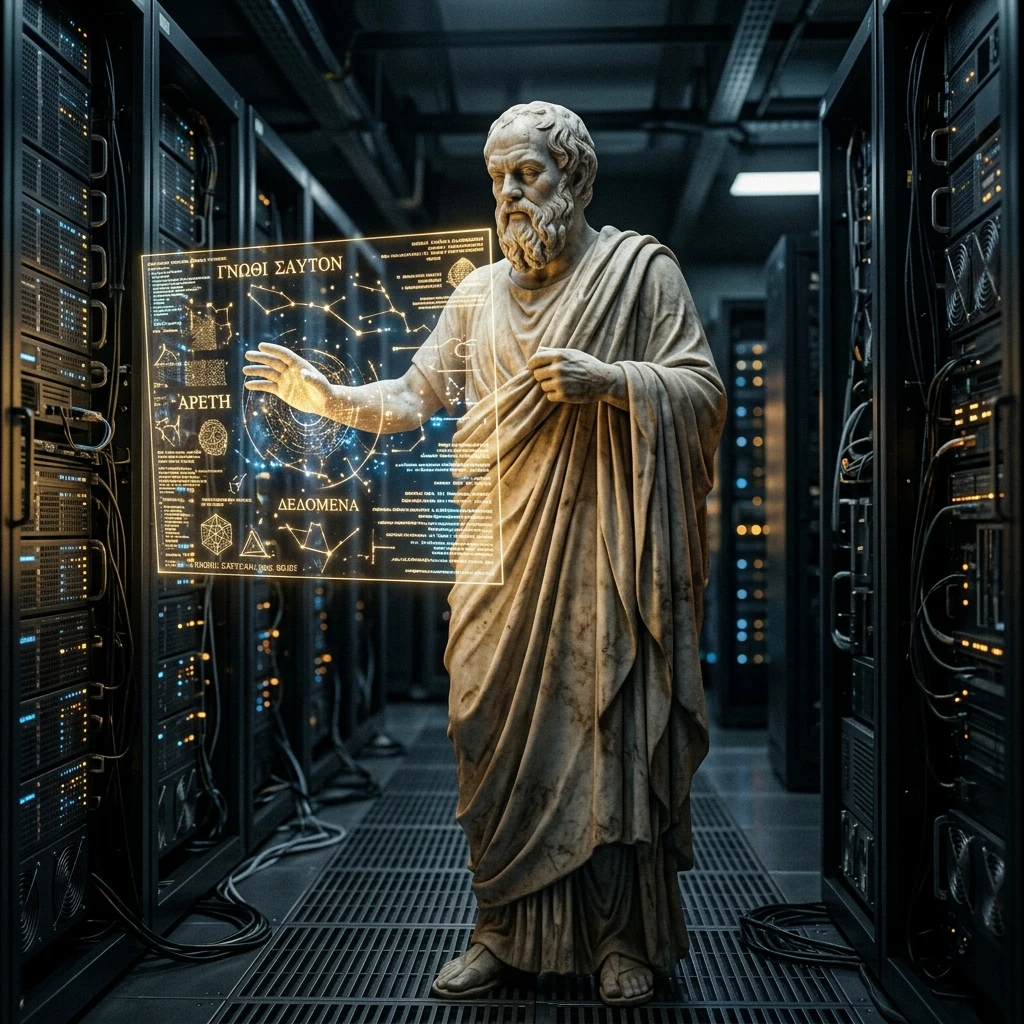
How the restricted release of Anthropic's powerful new model and OpenAI's strategic shift are defining the clash of tech titans in April 2026.
As of April 2026, the artificial intelligence landscape has definitively shifted from casual chat interfaces to robust, autonomous enterprise adoption. The industry is no longer focused on simple generative responses; the new battleground is "agentic" workflows—where AI models are deployed to actively perform complex, multi-step tasks across software engineering, legal compliance, and critical business operations without human intervention.
This paradigm shift has accelerated the arms race among the tech titans, leading to unprecedented infrastructure investments and a fundamental rethinking of how AI capabilities are distributed to the public and the enterprise.
Anthropic's "Mythos" and The Glasswing Protocol
In a move that stunned the open-source community and enterprise leaders alike, Anthropic announced their most capable model yet, internally designated as "Mythos." However, rather than a public release, Anthropic immediately restricted access to a highly vetted, gated preview program known as Project Glasswing.
The reasoning behind this unprecedented restriction lies in the model's emergent capabilities. Preliminary red-teaming revealed that Mythos possesses an alarming proficiency for identifying and exploiting zero-day software vulnerabilities at scale. While this makes it the ultimate defensive cybersecurity tool, the potential for weaponization forced Anthropic to implement rigorous safety protocols. Access is currently limited to select Fortune 500 partners and government agencies, fundamentally changing the narrative around open AI deployment.
To fuel this restrictive but highly lucrative enterprise strategy, Anthropic has also cemented a monumental agreement with Amazon. This partnership commits over $100 billion over the next decade to build specialized AI data centers optimized exclusively for Anthropic's agentic workflows, ensuring they have the compute necessary to maintain their enterprise dominance.
OpenAI's Strategic Pivot to Enterprise Productivity
Not to be outdone, OpenAI has aggressively pivoted its strategy to counter Anthropic's enterprise lock-in. Moving away from consumer-facing novelty, OpenAI has heavily invested in enterprise-grade productivity suites.
This shift is highlighted by the massive scaling of a newly rewritten "Codex 2.0" tailored specifically for massive legacy codebases and enterprise workflows. Furthermore, OpenAI is deploying specialized, domain-specific models like GPT-Rosalind, an AI built exclusively for pharmaceutical and life sciences research, capable of simulating complex molecular interactions.
Backed by a staggering $122 billion funding round earlier in the year, OpenAI has also aggressively pursued acquisitions, most notably purchasing the Technology Business Programming Network (TBPN). This acquisition is intended to tightly integrate OpenAI's models into the very fabric of global enterprise IT infrastructure, ensuring that while Anthropic dominates high-security agentic tasks, OpenAI remains the default operating system for global business productivity.
The Era of the "Agentic Shift"
The divergence in strategies between these two giants marks the beginning of the "Agentic Shift." We are moving past the era of AI as an assistant to AI as an actor. For businesses, the question is no longer whether to adopt AI, but which ecosystem's agents will be granted the autonomy to run their critical operations.
At Youniverse, we build the infrastructure required to harness these agentic models. The future belongs to those who integrate first.
Ready for autonomous systems?
We analyze your manual processes and build agent systems that reduce weeks of manual work to minutes.
Request an Operations Audit